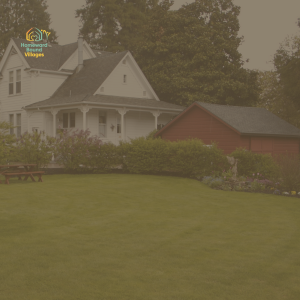
With construction well underway at Karwick Village, we would like to take a moment to discuss the green spaces at Karwick Village. Homeward Bound Village’s conscious decision to prioritize green space on our one-acre site, including a community garden, a wooded area for potential walking trails, and wetland preservation, is in support of both the mental and physical health of the future residents at Karwick Village. Access to green space has been proven to have an immediate and long-lasting impact on the health outcomes of residents. Our decision to preserve green space at Karwick Village represents more than aesthetic appeal; it’s an evidence-based public health intervention that directly addresses the health disparities often faced by low-income renters.
The Health Crisis in Low-Income Housing
Research consistently shows that low-income communities face significant disparities in access to green spaces, with disadvantaged populations experiencing worse health outcomes. Studies analyzing metropolitan areas found powerful associations between community income levels and the density and diversity of green spaces available, with affluent areas having a greater variety of choices in green spaces.

This disparity has measurable health consequences. Low-income residents are more likely to live in hotter neighborhoods and be exposed to higher levels of air pollution than those living in more affluent areas, often due to having fewer green spaces and amenities. The lack of green space creates a cascade of health risks that our cooperative is deliberately addressing.
The Mental Health Benefits: What Science Shows
A 2024 study from Texas A&M University found that people with a NatureScore above 40 (considered “Nature Adequate”) had a 51 percent lower likelihood of developing depression and a 63 percent lower likelihood of developing bipolar disorders. This research analyzed over 61 million adult outpatient encounters across Texas cities, making it one of the most comprehensive studies to date.
The benefits begin early in life as well. A recent National Institutes of Health study found that young children (ages 2 to 5) living in areas with more green spaces had fewer symptoms of anxiety and depression.
Another National Institutes of Health study, conducted across 24 different forests in Japan, revealed that spending time in nature leads to a decrease in heart rate, blood pressure, and cortisol levels compared to those exposed to urban environments. Significantly, these benefits extended not only to walking through forests but also to simply gazing at natural scenes.
Simple exposure to natural environments has beneficial effects on individuals’ emotions. This is particularly relevant for our residents, as our community garden and green spaces will provide daily opportunities for restorative contact with nature.
Physical Health Benefits
Cardiovascular and Metabolic Health
Multiple studies have shown that exposure to green space has physical health benefits as well. Access to green space is associated with a range of health benefits, including decreases in blood pressure, cortisol levels, and heart rate, as well as a lower incidence of diabetes. These benefits are essential given that low-income communities often face higher rates of cardiovascular disease and diabetes.
Enhanced Physical Activity
Our wooded area at the back of the lot, which may house walking trails and a community garden, will naturally encourage physical activity.
The Negative Health Impacts of Hardscape Environments
Urban Heat Island Effect
When natural landscapes are replaced with hardscape materials like concrete and asphalt, significant health risks emerge. “Heat islands” occur when towns replace natural land cover with dense concentrations of pavement, buildings, and other surfaces that absorb and retain heat. The heat island effect increases energy costs, air pollution levels, and heat-related illness and mortality.

Increased temperatures have been reported to cause heat illnesses, such as heat stroke and heat exhaustion, which can magnify underlying and often fatal health conditions. The nighttime effect of urban heat islands can be particularly harmful during a heatwave, as it deprives urban residents of the cool relief found in rural areas at night.
Disproportionate Impact on Low-Income Communities
The health impacts of hardscape environments are not equally distributed. Research analyzing major US cities found that people of color and people living in poverty tend to live in areas of more urban heat exposure in almost all major cities in the continental United States. Historically disadvantaged people groups tend to reside in neighborhoods with higher temperatures due to the lack of green space compared to adjacent areas within the same city. When there is a lack of heat-absorbing surfaces, such as green spaces, this has a significant impact.
Why Green Space Matters
Populations with higher availability of green spaces have lower levels of income-related health inequality and better self-reported physical health. This means our investment in green space will help level the playing field for our residents’ health outcomes.
Community Building and Social Health
Green space can also deliver additional benefits that may be particularly important in underserved neighborhoods, like providing areas for leisure and community life, creating safer, more livable streets, and reducing building energy costs associated with cooling. Our community garden will serve as a focal point for social interaction and community building.
Our Commitment to a Healthy Community at Karwick Village:
By prioritizing green space at Karwick Village, our cooperative is prioritizing the physical and mental health of our residents.
Green spaces can be a valuable tool for advancing healthy communities, like Karwick Village. Our wooded area, community garden, and walking trails represent exactly this type of forward thinking that creates healthy communities.
Conclusion: An Investment in Community Health
The scientific evidence is clear: green space is not a luxury but a necessity for human health and wellbeing. Green spaces represent a flexible and cost-effective mental health resource that is accessible to countless communities. If green space were considered in the same way as a drug for mental health and well-being, green space would be more prioritized in all communities.
Our conscious decision to preserve and create green spaces at Karwick Village is an evidence-based investment in the mental health, physical well-being, and overall quality of life of our future residents. In a world where low-income communities too often face environments that harm rather than heal, we are creating a space that promotes whole body health, physical and mental.
We hope that we have shown how our approach to green space at Karwick Village aligns with dedicated research. Individuals’ desire for contact with nature is not just the result of a romanticized view of nature, but something that has actual, beneficial health impacts. By providing our residents with daily access to green space, we’re supporting their fundamental human need for connection with the natural world.