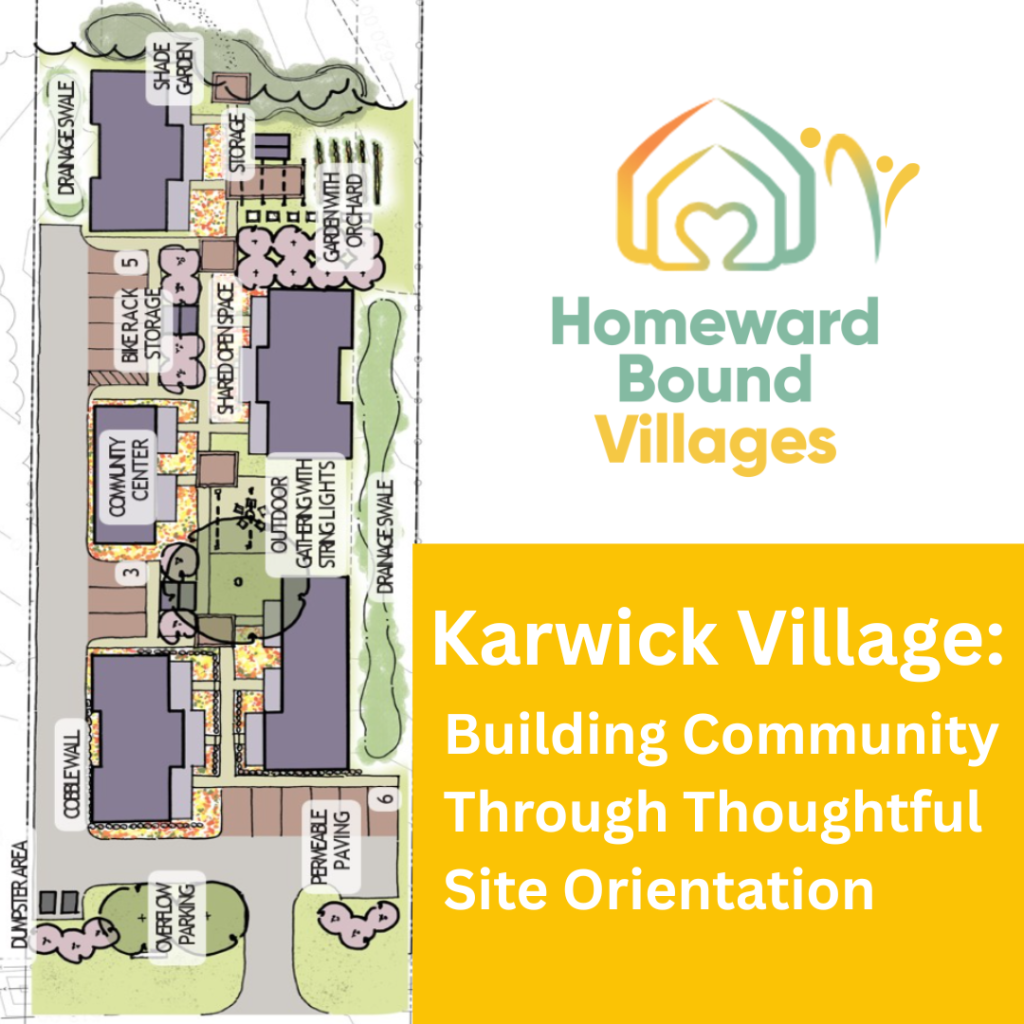
When we first envisioned our housing cooperative, we didn’t just ask ourselves where to place buildings; we spent a lot of time researching how our physical spaces could nurture genuine human connection. From visiting co-operative communities across the country to holding workshops in our own community, we designed Karwick Village with intention. Our site’s orientation isn’t random—it’s purposeful, designed to foster the kind of community many of us find ourselves longing for, where neighbors know each other’s names.
Facing Inward, Looking Forward
When you look at Karwick Village, you’ll notice something a little different from most housing developments: our units do not face out toward the street. Unlike traditional developments where homes face outward toward streets and driveways, our front porches face inward toward a shared green space. This intentional design invites conversations between neighbors watering plants or enjoying morning coffee. From the road, a side profile of the units will be visible.
The absence of second stories maintains this human scale, ensuring our community remains approachable and built to foster community. Research shows this design approach directly impacts social interaction. Intentional design that is created to foster a community is often referred to as a pocket neighborhood, essentially a neighborhood within a neighborhood. This is our goal with the site orientation at Karwick Village.
Shared Spaces to Intentionally Build Community
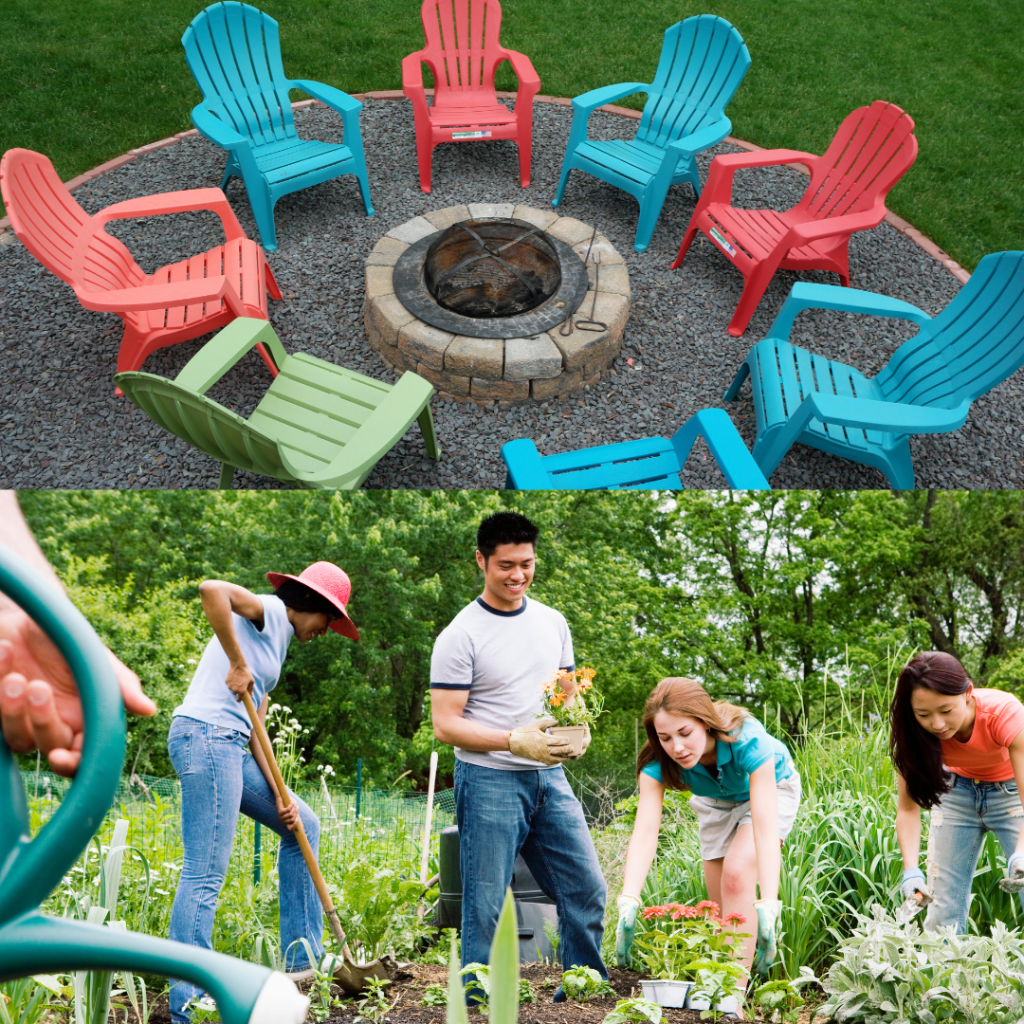
At the center of Karwick Village is our community building—our collective living room, where we’ll host meetings and classes, and laundry facilities will bring the community together through everyday routines. This space will serve as the beating heart of our community, where ideas spark and relationships deepen.
We know through our research of cooperative communities that when we create a space for the community to gather with shared resources, such as spaces for classes, board meetings, spaces for communal meals, and laundry facilities, we also create opportunities for connection and the space for the community to grow in these spaces.
Embracing Nature’s Gifts at Karwick Village
We’ve honored the natural wetlands that grace the rear of our property, preserving these protected areas as our backdrop. With the buildings at the front of the property, nearer Karwick Road, this positioning leaves us with additional green space behind our units for a green canvas of future possibilities. As a cooperative, the residents will decide how to utilize this space, whether for community gardens, walking trails, or simply letting nature flourish. Together, the residents will decide collectively how to use this green space.

Studies indicate that shared natural spaces in residential communities contribute significantly to residents’ well-being. According to recent research, pocket neighborhood residents who interact with shared natural environments report improved mental health and emotional well-being compared to conventional developments.
The Pocket Neighborhood Advantage
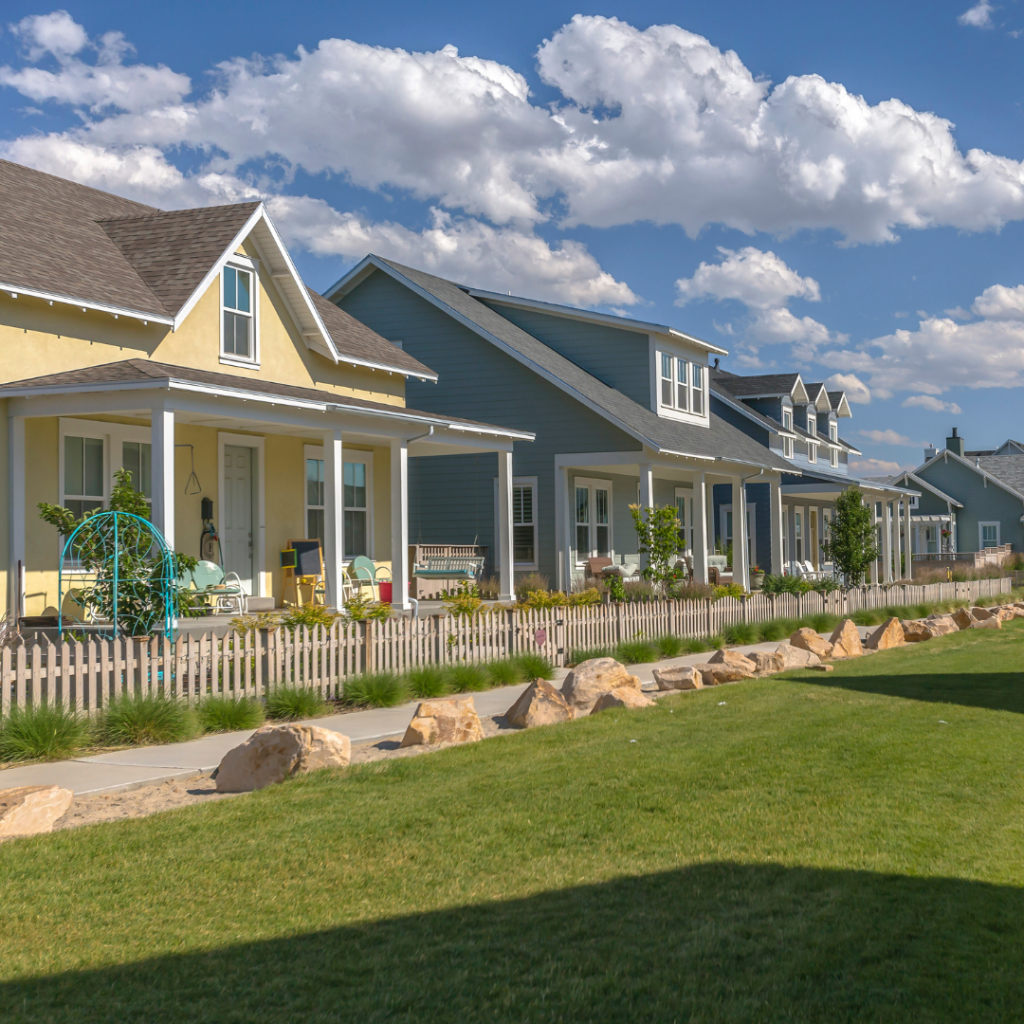
Our layout draws inspiration from the “pocket neighborhood” concept—an antidote to the isolation that characterizes many modern developments. Pocket neighborhoods are defined as “clusters of homes gathered around a landscaped common area,” creating micro-communities of typically 8-12 households, a scale that research suggests is optimal for fostering neighborly relations. Karwick Village will support twelve one to two-person households.
This approach offers numerous benefits beyond social connection. Communities designed with this model report:
- Stronger support networks, particularly valuable for seniors aging in place and young families
- Shared responsibilities that reduce individual burdens
- Improved physical and mental health outcomes for residents
We know that when we orient our communities in this way, we invite connections between neighbors and that the neighborhood itself is designed to build community. When the shared greenspace is essentially everyone’s front lawn, it becomes a natural gathering place for residents, young and old.
Building More Than Houses
Our development isn’t just about constructing buildings—it’s about creating a home that extends beyond your front door. By intentionally orienting our site to promote interaction, preserve natural spaces, and foster shared responsibility, we’re laying the groundwork for a community where people truly know their neighbors.
Karwick Village housing cooperative aims to restore what many find missing: authentic community rooted in place. Through thoughtful design that encourages rather than inhibits interaction, we’re building not just houses, but a true neighborhood—one where meaningful connection can flourish naturally.
Karwick Village isn’t just somewhere to live—it will be somewhere to belong.